Live Hoods
BITCOIN · BLOCK 945,000 · SIGNAL THEORY ACTIVATES
Battles on Bitmap
Your Bitcoin block is your neighborhood. Signal to lead it.
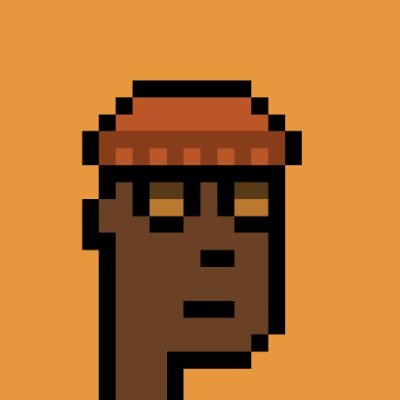
ROBIN HOOD
736113.bitmap
Small. Unknown.
Has trust.
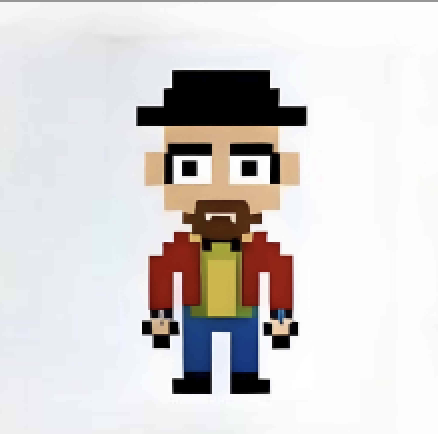
THE KING
0.bitmap
Early. Wealthy.
Has wealth.
ONE SIGNAL PER DISTRICT · WHO WINS YOUR HOOD?
BUILT BY
Ordinals Punk · @blockapunk
What Is This?
Bitronaut
BITMAP SIGNAL MAP
Bitcoin blocks are neighborhoods. District owners signal to elect a leader. The neighborhood with the most signals wins a Seat. Seats decide who leads the city. Block 945,000 is when it all starts — on Bitcoin, forever.
UPCOMING SCENARIOS
VS
BATTLE
The King vs Robin Hood
Wealth vs trust. Hood 365.
VS
ELECTION
The Pioneer vs The Institution
Evidence vs authority. Sector 4.
VS
CONTEST
The Artist vs The Collector
Creation vs curation. Hood 132.
ACTIVATES AT BLOCK 945,000
How It Works
How neighborhoods elect a leader
Step 1
District signalsA District reinscribes a JSON signal on its sat, naming another District or casting veto.
Step 2
Hood countsEvery 2016 blocks, signals inside a Hood are tallied. Only self-nominated Districts can receive votes.
Step 3
Seat assignedThe District with the most signals becomes Hood Seat. Veto wins if it leads. Ties remain ties.
Step 4
Sector electsEvery 210,000 blocks, Hood Seats roll up. Points determine the Sector Elect and Capital.
The Story Behind the Theory
From Map to Governance
Years ago, @blockamoto looked at the Bitcoin blockchain and saw something others missed. Not just a ledger — a map. Every block a piece of territory. Every sat a coordinate in time. He called it Bitmap Theory.
The community grew. Districts were claimed. A new language emerged — one that speaks in block heights and parcels instead of addresses and wallets.
And then, years later, he wasn't done. Bitmap needed a soul. A way for districts to speak to each other. To organise. To elect. So he built Signal Theory.
Districts signal support for each other. Every 2016 blocks a Hood Seat is elected. Every 210,000 blocks a Sector Elect emerges — determined not by money or likes, but by on-chain signals anyone can verify.
No server. No company. No authority. Just Bitcoin.
ACTIVATION
Block 945,000 · roughly 3 weeks away · ~2,978 blocks remaining
Sector Rollup
Current Sector Summary
Verification Surface
Click to verify any computed result
Open the counter, inspect contributing signals, then drill into raw proof items with txid, reinscription reference, JSON signal, and deterministic reasoning notes.
Layer 1
Your Neighborhood (2,016 blocks)
Local windows count self-signals, nominations, and vetoes inside a fixed boundary.
Layer 2
The City (210,000 blocks)
Hood seats roll up into sector points, elect a capital, and expose unresolved ties.
Layer 3
Leaders & Elections
Every seat is deterministic: counted inputs, boundary logic, exact tie-breaks, raw proof.
Your Neighborhood
Who leads your block's neighborhood?
Every neighborhood spans exactly 2,016 Bitcoin blocks — one per difficulty period. District owners inside signal their support for a candidate. The district with the most signals at the boundary wins the Seat — the elected leader of that neighborhood. A veto means nobody wins. Results are permanent on Bitcoin.
On-chain Activity
Votes in this Neighborhood
Verify a Result
Pick any district. See every vote. Verify the outcome yourself.
This is the detective tool. Pick a district, pick a block height, and see exactly how the result was computed — every signal counted, every rejection explained. No black box. Just Bitcoin.
What went in
Votes counted
The Big Picture
Who leads the city?
A Sector spans 210,000 Bitcoin blocks — one full halving epoch. Every neighborhood in the Sector elects a leader. Those leaders roll up into one final result. The address that wins the most neighborhoods becomes the Sector Elect — the crowned leader of that part of Bitcoin. The Sector Capital is the neighborhood with the strongest mandate.
How each neighborhood voted
The candidates and the winner
Results are fixed once determined. Ownership changes do not alter recorded outcomes. Block 945,000 is when real signals start counting. 🫡
How It Works
The rules of the game
These are the rules that govern every Hood election and Sector rollup. They are not enforced by a company or a server — they are enforced by anyone who counts. If something is claimed, it can be checked. If it cannot be checked, it does not hold.
These rules apply from block 945,000 onward. Every result on bitronaut.io follows them exactly. 🫡
About
Why Bitronaut exists
Scenarios · Block 945,000
What can you do with Signal Theory?
These are real possibilities once block 945,000 activates. One signal per district. On Bitcoin. Forever.
⚔️
BATTLE
District Battles
Two districts challenge each other for Hood leadership. The one with the most signals at the boundary wins. No referee. Bitcoin keeps score.
EXAMPLE
The King (0.bitmap) vs Robin Hood (736113.bitmap) — Hood 365, Epoch 4
🗳️
ELECTION
Hood Elections
Every 2,016 blocks a Hood elects its leader. Districts signal their support. The winner holds the Seat until the next election.
EXAMPLE
Hood 132 — 3 candidates, 1 veto, outcome decided at block boundary
🏆
CONTEST
Community Contests
A Hood organizes around a shared goal. Districts signal together. The group that builds the most support wins the prize — whatever the community decides.
EXAMPLE
Hood 365 artists vs Hood 366 builders — who gets the Sector Capital?
👑
POLITICS
Kingdoms & Alliances
Multiple Hoods unite behind one address. Signals flow upward. The alliance that controls the most Seats crowns the Sector Elect — the undisputed leader of 210,000 blocks of Bitcoin.
EXAMPLE
Robin Hood alliance — 4 Hood Seats, leading Sector 3
🔬
RESEARCH
Signal Research
Study on-chain signal patterns. Which Hoods are active? Which districts are gaining momentum? Every result is verifiable from Bitcoin alone.
EXAMPLE
bitronaut.io tracks every signal, every seat, every election — live
🎮
GAME
On-chain Games
Build games where Bitcoin is the rulebook. Districts move, signal, and compete. The outcome is permanent — no server can change it.
EXAMPLE
Capture the Hood — first to 10 Seats wins the Sector
Block 945,000 — about 12 days away.
Everything starts then. 🫡